Afrique One actively contributes to strengthening human and institutional capacities for epidemic preparedness across the African continent through research and training focused on understanding, surveillance and response system as well as participatory risk analysis. Since 2023, Afrique One has been in its third phase, known as Afrique One – Research Excellence for African Challenges in Health (Afrique One-REACH). This phase includes five research groups, one of which focuses specifically on Endemic and Emerging Zoonoses (EEZ). This research group comprises 15 fellows (4Masters, 9 PhDs, 2Postdocs),dedicated to the discovery and understanding of epidemic-prone zoonotic diseases. Professor Helena Ngowi and Dr Helena Dela are respectively the Principal Investigator and the Postdoctoral researcher of the EEZ group. In this interview, they outline the EEZ group’s research and describe how it contributes to strengthening epidemic preparedness and response systems in Africa.
International Epidemic Preparedness Day highlights the importance of strengthening prevention, early detection and response systems. Why is this issue particularly critical for Africa?
Professor Helena Ngowi: Africa faces a disproportionate burden of infectious diseases while health systems remain under-resourced, making the continent particularly vulnerable to epidemics such as cholera, Ebola, mpox, poliomyelitis, Rift Valley fever, meningococcal meningitis, and tuberculosis, etc.). Strengthening preparedness is therefore not optional but essential, requiring the sharing of scarce resources across sectors and countries, as well as collaboration to protect populations and prevent local outbreaks from escalating into regional or global crises with significant economic consequences.
What are the main health threats that could trigger epidemics in Africa today?
Professor Helena Ngowi: Africa is confronted with a complex mix of epidemic-prone pathogens and long-standing systemic pressures. Diseases such as zoonotic multidrug-resistant tuberculosis (ZMDR-TB) pose a serious threat because they are difficult to detect, to treat and can spread silently within communities through livestock. We are therefore concerned about zoonotic diseases linked to interactions between humans, animals and the environment, including Ebola, COVID-19, Anthrax, Rift Valley Fever, Brucellosis and Rabies. These diseases can cause sudden outbreaks with significant health and economic consequences. In addition, endemic diseases such as leishmaniasis, trypanosomiasis and Guinea worm disease continue to affect vulnerable populations and need attention as they are not prioritised. Antimicrobial resistance (AMR) further exacerbates the problem by reducing treatment effectiveness against zoonotic diseases and making outbreaks harder to control.
How is the Afrique One’ research is responding to these challenges?
Professor Helena Ngowi: Afrique One is implementing the One Health approach, grounded in systems thinking around health and disease and the use of transdisciplinary methods. Within the Endemic and Emerging Zoonoses (EEZ) research group, our work spans prevention, detection, response tools and methods, as well as the analysis of long-term resilience patterns.
Our studies comprise conditions of the next Ebola outbreaks in Africa, anthrax risk mapping in Benin, analyses of antimicrobial resistance pathways in food chains in Chad, Ghana and Togo, and Leishmaniosis risk factors in Kenya. These research are supported by two transversal group such Modelling and collective action for behaviour change.
Beyond research, are there practical tools being developed to support outbreak response?
Professor Helena Ngowi: Yes, translating research into action is central to our mission. We have applied the Blockchain technology to develop the BlockRabies app to manage rabies integrated bite management and vaccine stocks in Côte d’Ivoire, Mali and Chad. We are also identifying psychosocial predictors, resilience pattern to better respond to pandemics in Senegal. We have also designed an integrated frameworks to control both rabies and Guinea worm disease in Chad.
One innovative approach mentioned is disease surveillance in hospital wastewater. How does this work?
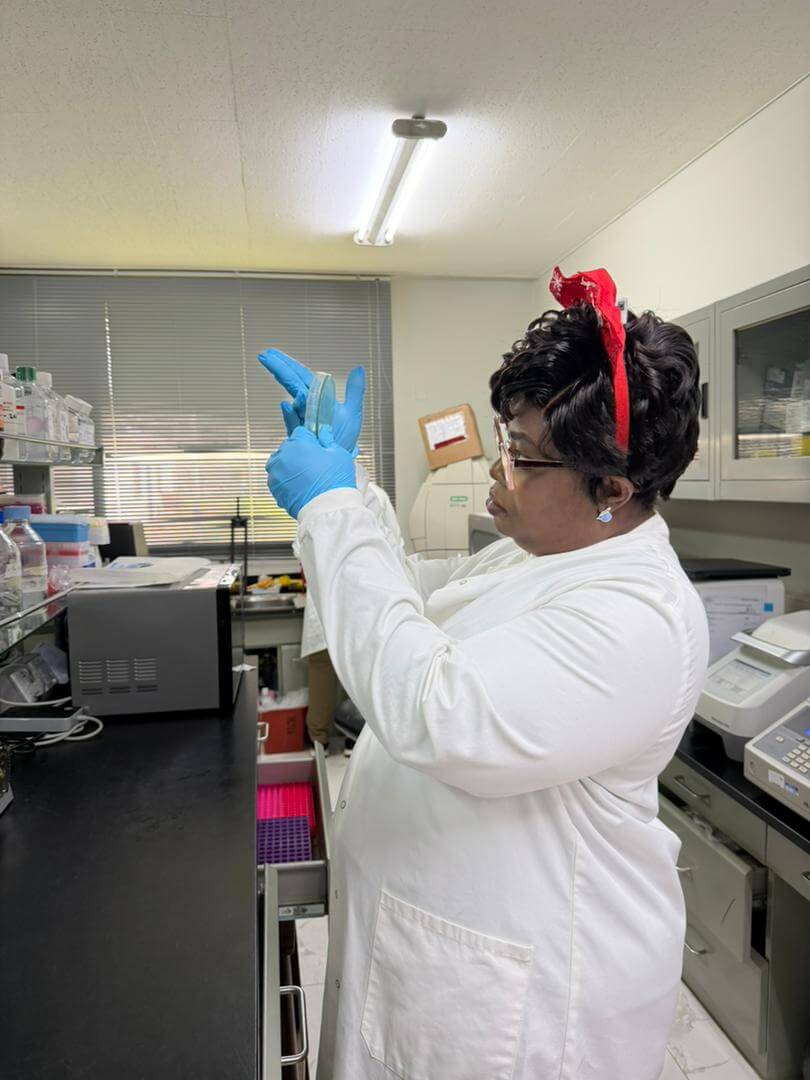
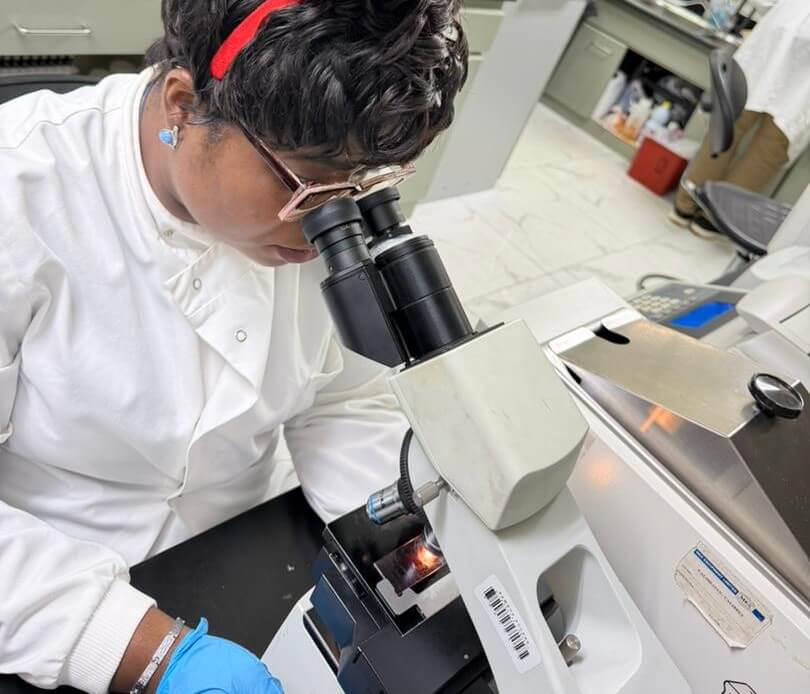
Dr Helena Dela: Hospital wastewater surveillance is an innovative and complementary early-warning tool. By analysing pathogens in hospital wastewater for, genetic markers and resistance indicators, we can predict the circulation of infectious agents even before clinical cases are officially reported. Because hospitals concentrate both symptomatic and asymptomatic patients, wastewater provides an integrated snapshot of what pathogens are circulating in the population. This allows us to detect early emerging threats, monitor trends over time and support timely public health responses with risk communication.
What outcomes are expected from this body of research, and what comes next?
Professor Helena Ngowi: The results of our fellows studies are expected to be presented in 2026 during Afrique One annual scientific meeting. They will generate robust evidence on disease transmission, risk factors and vulnerabilities at the human–animal–environment interface. We also plan to organise dissemination workshops across all participating countries to ensure that findings are continuously shared with policymakers, practitioners, the media and communities. These discussions will support regional policy harmonisation, strengthen institutional capacities and help translate scientific knowledge into concrete action, fully aligned with the One Health approach.
Several studies conducted by Afrique One in relation to epidemic preparedness :
- Prevalence and serotype diversity of non-typhoidal Salmonella in foods and animal feces: a cross-sectional study in Greater Accra, Ghana ( https://doi.org/10.37349/eff.2025.1010105)
- Review of a decade of fauna research in Côte d’Ivoire with insights into wildlife health and zoonotic transmissions ( https://doi.org/10.1016/j.onehlt.2025.101183 )
- Effectiveness of Integrated Surveillance System for Highly Pathogenic Avian Influenza in Côte d’Ivoire: An Evaluation of the Response Management Approach for the 2021 Outbreak in Grand-Bassam ( https://doi.org/10.1079/animalsciencecases.2025.00 )