The Afrique One-Research Excellence for African Challenges in Health (REACH) programme is now in its third year of implementation. In line with its action plan, Afrique One-REACH is engaged in strengthening capacity and conducting research in One Health, leading to the joint development of integrated intervention strategies in partnership with national and international global health programmes. This report draws on activities carried out between 2023 and 2025, as well as on some fifteen years (2009–2025) of research and training on the “One Health” approach led by Afrique One under the leadership of the Centre Suisse de Recherches Scientifiques en Côte d’Ivoire (CSRS).
Afrique One-REACH is the third phase of activities undertaken by the Afrique One consortium, funded by a consortium of donors including Wellcome and the British cooperation, through the Science for Africa Foundation (SFA). During its second annual meeting, held online from 14 to 16 May 2025, all 91 fellows (10 postdoctoral researchers, 28 PhD students and 53 Master’s students) from the programme and its partners (GIRISS, Belgium) presented the concepts and preliminary findings of their work, along with the skills they had acquired. In 2025, around twenty articles on the “One Health” approach were published on topics relating to non-communicable diseases, neglected tropical diseases, emerging zoonoses, antimicrobial resistance and One Health governance systems. This report summarises the key aspects developed in response to health challenges in Africa. These include: (i) processes for engaging communities in the search for health solutions; (ii) the adaptation of new tools to improve collaboration and skills in health; (iii) the co-construction of strategies and policies for disease elimination; (iii) tools for disseminating health information; and (iv) instruments for scaling up training.
Community Engagement, Health Strategies, and Policy
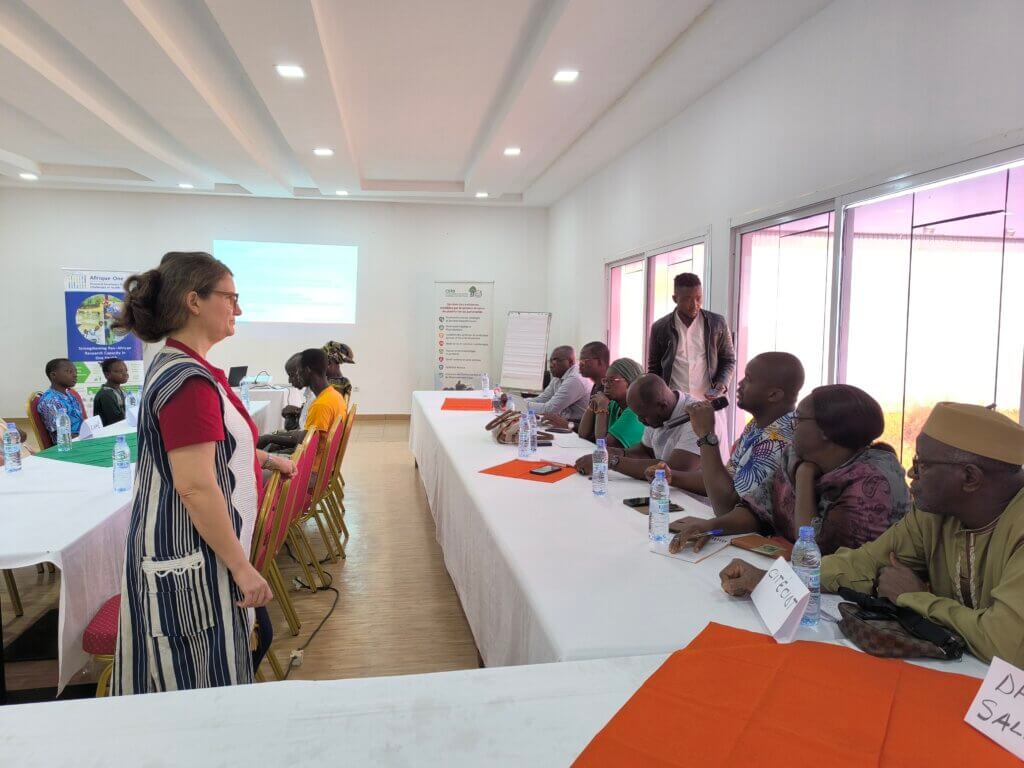
Through transdisciplinary research on rabies, Afrique One-REACH initiated the assessment, design and proposal of rabies control interventions in close collaboration with practitioners, communities and policymakers in central Côte d’Ivoire in 2025. The Human-Centred Design (HCD) approach made it possible to work with local populations to develop realistic and sustainable solutions for rapid case management. The strategy has been adapted to the local context, enabling bite victims to quickly reach an anti-rabies centre offering post-exposure prophylaxis (PEP). This approach has achieved good coverage and positions Côte d’Ivoire as one of the models committed to the goal of zero rabies deaths by 2030. As a result, the country has been selected to test the integration of PEP into the Expanded Programme on Immunisation (EPI) by GAVI/WHO.
Drawing on its experience of rabies research in Africa, an Afrique One team was called upon to support UA-BIRA in developing the strategy for eliminating canine rabies in Africa. This pan-African strategy, led by the African Union, is being co-developed with experts from UA-BIRA and Africa CDC.
At the regional level, the FAO called on Afrique One to conduct a situational analysis of Highly Pathogenic Avian Influenza (HPAI) in West Africa (15 countries) with a view to developing a strategy aligned with the global agenda.
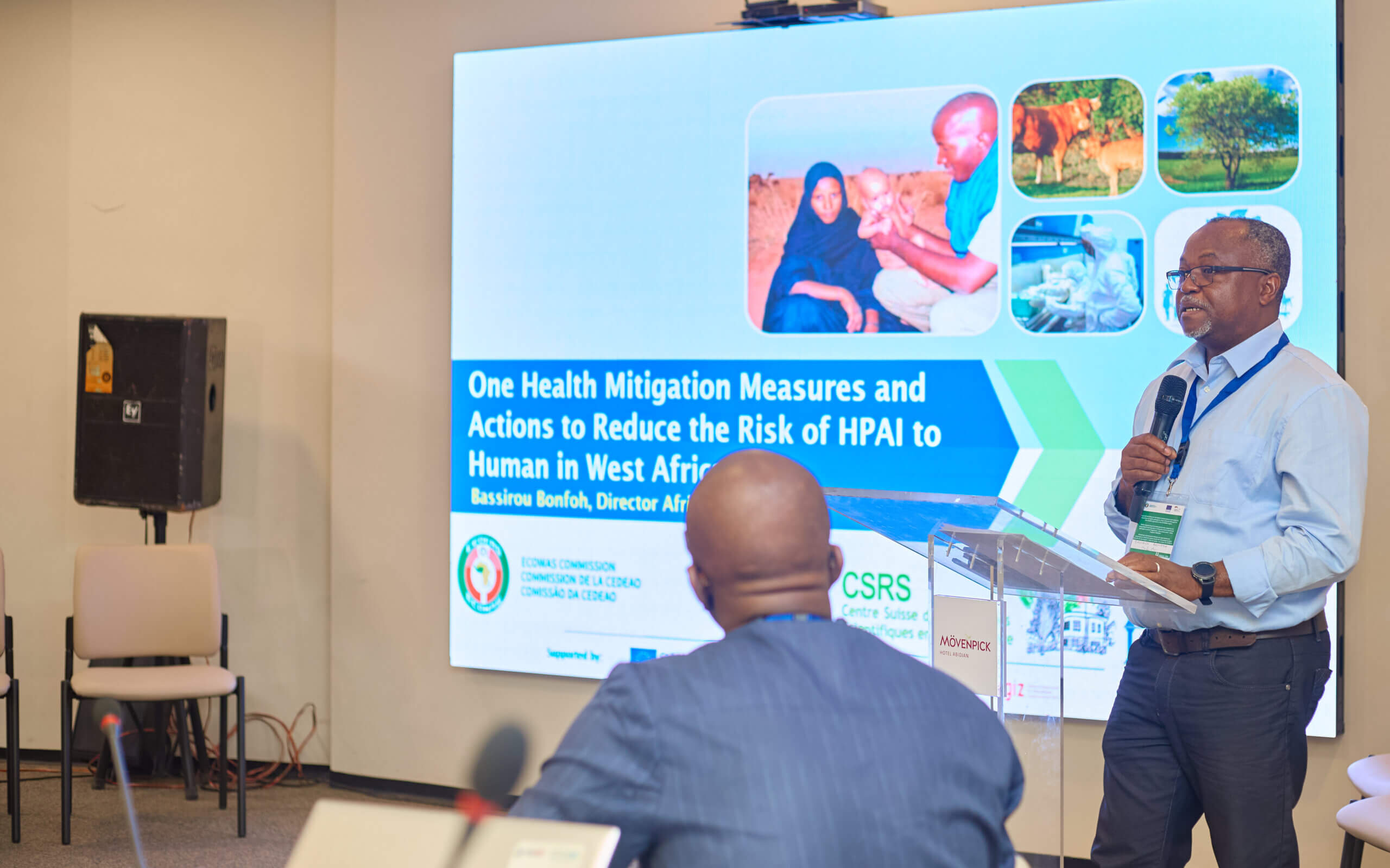
Drawing on a participatory risk analysis approach and Machine Learning-based modelling in a context of limited data availability, the Afrique One team produced a risk map and laid the foundations for surveillance and response. These findings were used in formulating the strategy, which is currently awaiting validation.
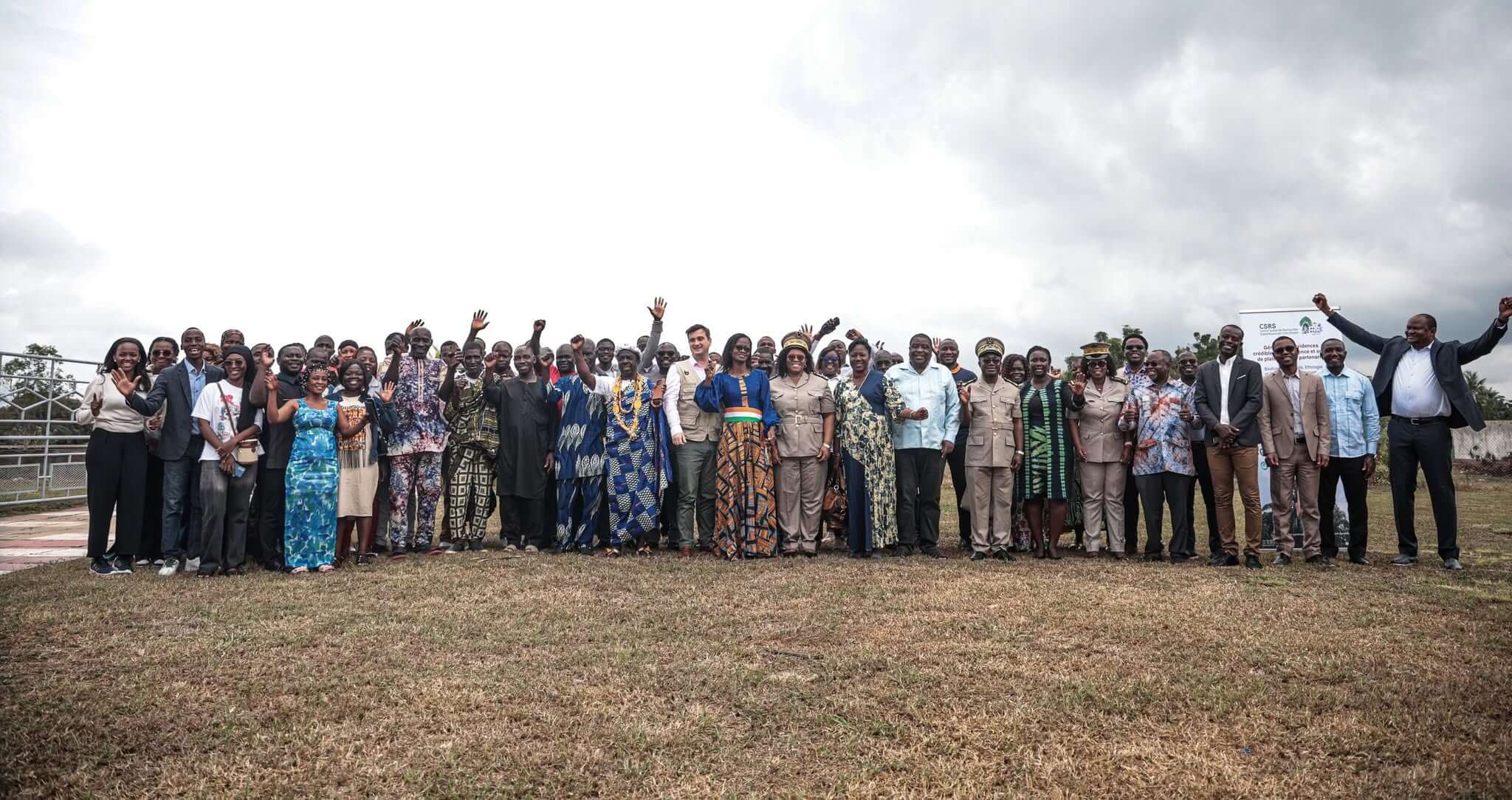
At the global level, building on its partnership-based research in central Côte d’Ivoire, Afrique One-REACH, together with Côte d’Ivoire’s national ulcer control programme, was a leading initiator of the historic World Health Assembly resolution WHA76.11, put forward by Côte d’Ivoire and adopted by the World Health Organisation (WHO) in May 2025. This resolution recognises skin diseases as a global health priority and calls for their integration into national public health policies. To implement this resolution at the national level in Côte d’Ivoire, Afrique One-REACH brought together all relevant local stakeholders and community leaders in Taabo to develop a roadmap. The “Taabo Declaration” was validated and submitted to the Directorate General of Health of Côte d’Ivoire to seek support for the establishment of an integrated reference centre for wound treatment.
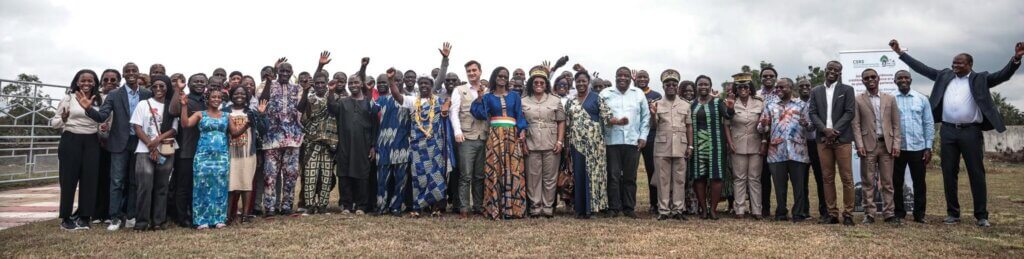
Community engagement projects were supported by additional funding from SFA under DELTAS Africa Public Engagement, an SFA initiative aimed at actively engaging communities in the process of securing supplementary funding for fellows. These included a project in Benin (Reducing abortive zoonoses: involving ruminant farmers in the implementation of innovative health solutions on farms using a mobile application to produce a film) and two projects in Tanzania (Empowering communities and patients in the management and prevention of type 2 diabetes through community ambassadors and artistic expression; Co-creating canine deworming practices for the sustainable control of coenurosis caused by Taenia multiceps in Maasai communities: a participatory approach). To support fellows in mobilising communities, technical partners and civil society, Afrique One-REACH also launched an internal initiative called “Engagement to Mitigate the Impacts of Disease” (EMDO). This initiative, which supports final-year students, aims to test and validate innovative interventions arising from research findings. Four projects were selected for funding in 2025, with a total value of €45,000 (Benin, Côte d’Ivoire, Kenya and Tanzania).
New technologies in support of collaboration, communication and training in health
The pioneering and innovative BlockRabies application (BlockRabies-App), built on blockchain technology, was trialled in Côte d’Ivoire and Mali as part of a project funded by EDCTP. In keeping with the very essence of the “One Health” approach, in which communication and data sharing are essential, this platform enables the secure, confidential sharing of information in practice and in real time (alongside the usual paper-based reporting system) between the human and animal health sectors, covering rabies exposures and the full case management pathway. The project demonstrated the feasibility and effectiveness of this integrated digital platform for managing people exposed to rabies in Mali and Côte d’Ivoire. By facilitating data sharing between the human and animal health sectors and introducing a shorter vaccination protocol, it helped to improve vaccination coverage, reduce costs and strengthen cross-sectoral cooperation, thereby paving the way for improved regional public health governance. Thanks to the BlockRabies App, Côte d’Ivoire and Mali have made significant progress in adherence to post-exposure rabies vaccination. Between 2022 and April 2024, the proportion of patients completing their treatment following a dog bite rose from 35% to 93% in Côte d’Ivoire.
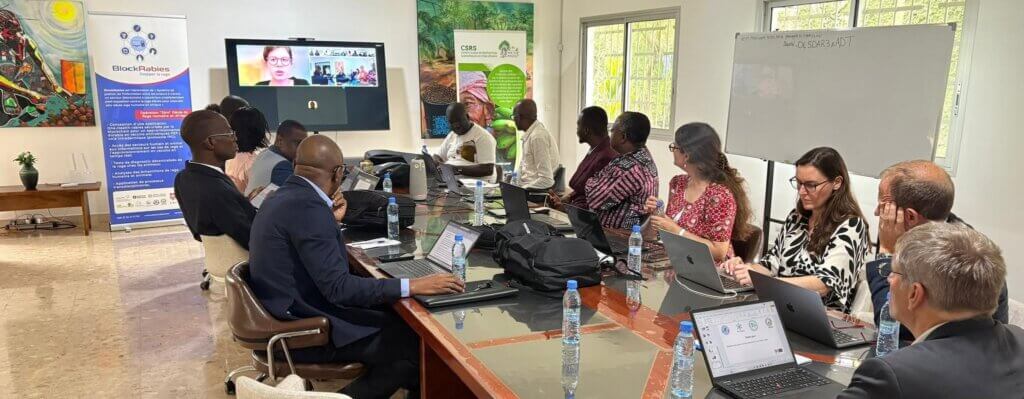
Afrique One-REACH thus demonstrates the effectiveness of digitalising mass canine surveillance and vaccination in reducing human rabies cases in West Africa. This contribution will strengthen the continental strategy through concrete mechanisms for regional coordination, cross-sectoral data sharing, community mobilisation and innovative financing such as social impact bonds. By placing science at the service of public policy, Afrique One is helping to implement a unified African vision for the surveillance of, and response to, health threats.
Committed to building strong bridges between researchers and the general public, Afrique One-REACH gives pride of place to communication professionals (journalists and communicators) in disseminating health research findings. To this end, Afrique One-REACH helped strengthen the capacities of African journalists on the “One Health” approach as an official partner of the 2nd World Conference of French-Speaking Science Journalists (CMJSF25). The consortium shared its experience of the “One Health” approach and its practical applications with around a hundred journalists from West, Central and East Africa, Switzerland, France and Canada. In a similar vein, Afrique One supported the “Science Journalism Academy” (SJA) initiated by the African Science Communication Agency (ASCA). This is a summer school designed for journalism students, run in the form of intensive training sessions covering not only the fundamentals of science journalism but also cross-cutting themes such as the “One Health” approach and sustainable development. On this occasion, Afrique One-REACH supported the 16 SJA participants in developing their skills in analysing scientific content, in the “One Health” approach, and in choosing and producing their communication pieces. Building on the partnership between Afrique One and ASCA, a joint team was subsequently appointed to the advisory board of the Côte d’Ivoire Public Health Bulletin (BSP-CI) and took part in drawing up its five-year strategic plan (bsp.inspci.org).
In addition, in order to capitalise on research based on the One Health approach, the funding partner SFA has, since September, been co-producing a scientific documentary film with Afrique One on the impact of the wound management project at the human-animal-environment interface carried out in Taabo.
One of Afrique One’s objectives is to strengthen capacity in One Health. As part of a process of identifying and co-developing training modules suited to the African context, findings from research carried out by Afrique One and its partners under the PREPARE4VBD project have been translated into information and knowledge shared via a MOOC (massive open online course), which will be made available to the scientific community. This MOOC addresses aspects of climate change and its impact on the emergence of vectors and vector-borne diseases, thereby complementing the MOOC produced in 2016 on the “One Health” approach. In addition to the MOOCs, weekly training webinars are delivered to 350 One Health stakeholders.
This document is excerpted from the 2025 Annual Report of the Centre Suisse de Recherches Scientifiques en Côte d’Ivoire: https://www.csrs.ch/storage/app/media/rapports/rapport-dactivites-2025-csrs.pdf