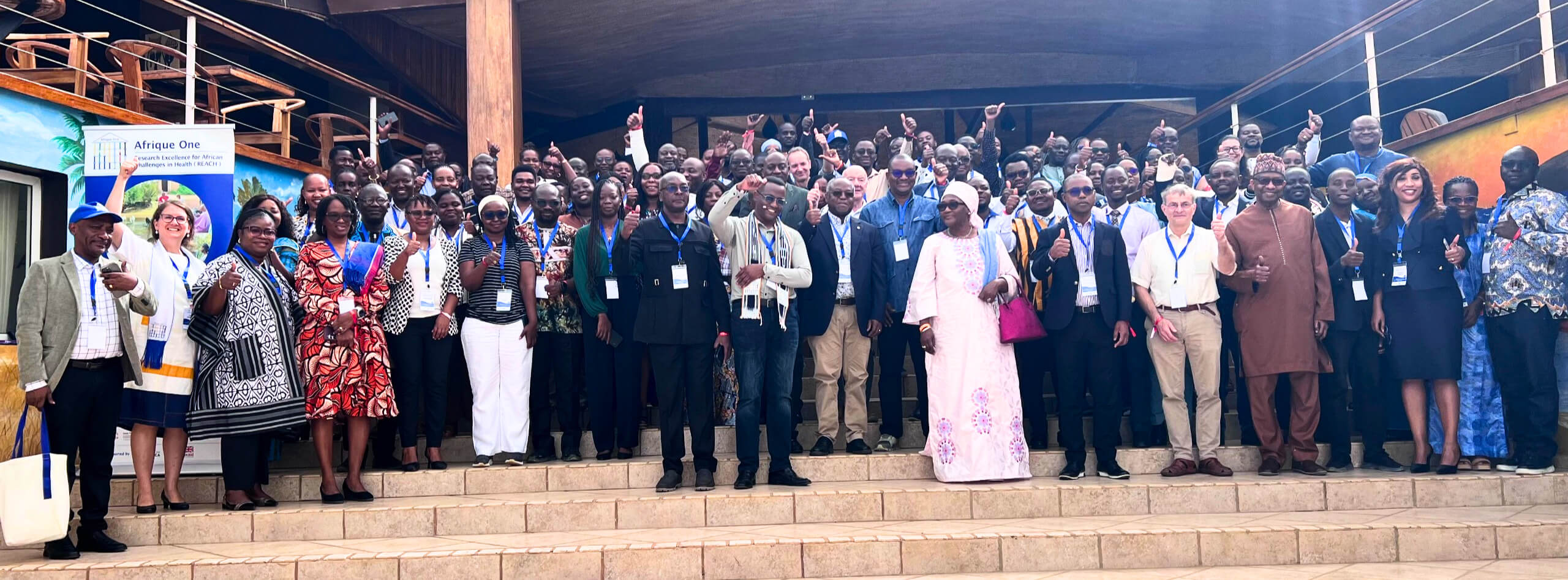
For ten days (May 4–13, 2026), members of the Afrique One consortium gathered in Somone, Senegal, for its 2026 Annual Meeting. The agenda included capacity-strengthening sessions for the fellows, a review of ongoing research projects, discussions on One Health governance and implementation in Africa as well as a visit of Senegal’s national One Health platform.
Strengthening the capacities of the next generation of One Health researchers in Africa
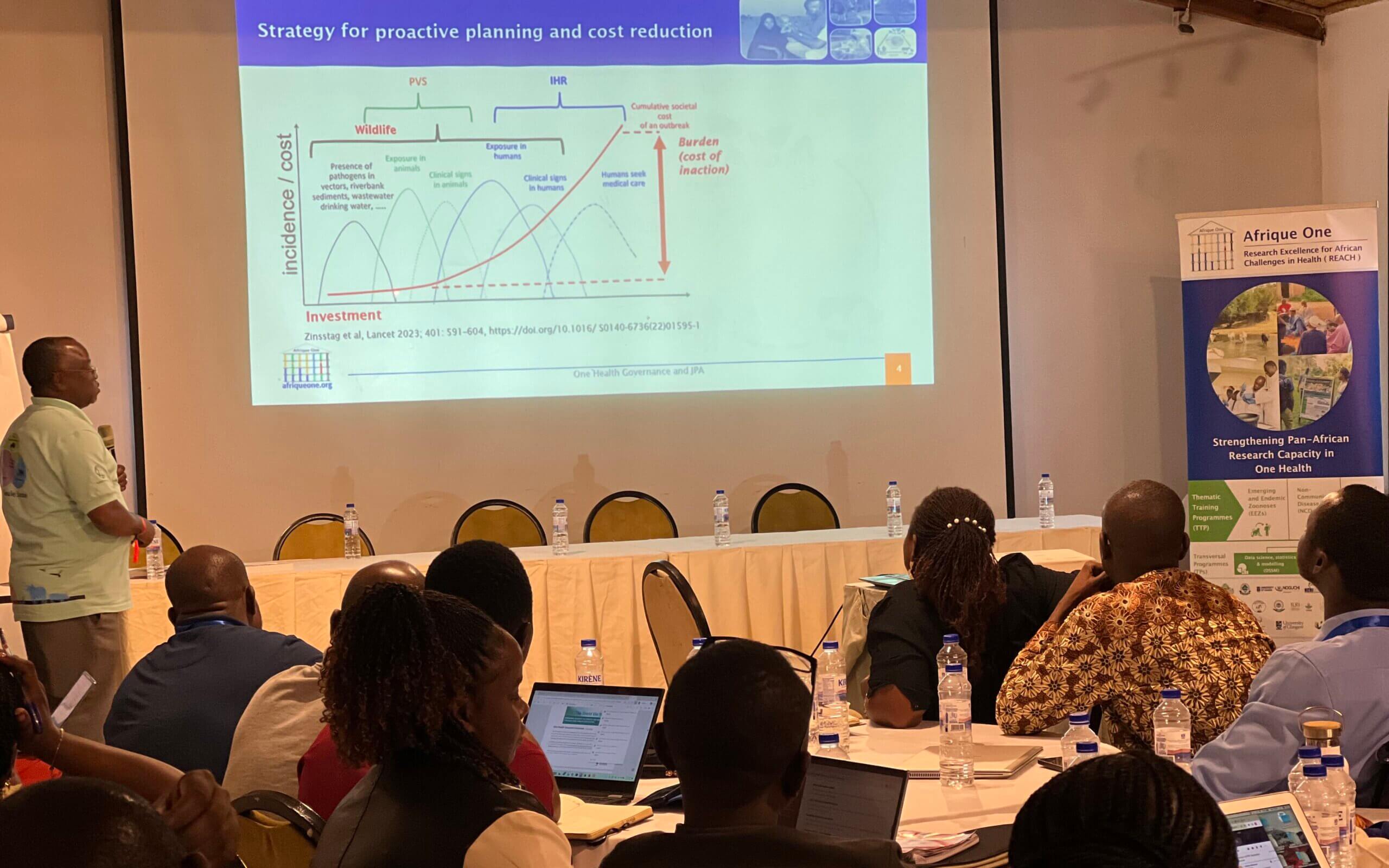
The event kicked off on May 4 with a summer school. Among the courses offered to the approximately 60 fellowship recipients were systems thinking, modeling, community engagement, and science communication.
The module on systems thinking was led by Dr. Cheikh Sadibou Sakho of Gaston Berger University of Saint Louis, Senegal. According to him, “the integration of systems-based and complex approaches is crucial, because health issues are not limited to biomedical or public health aspects alone.”
As for the module on Systems Thinking and Modeling, it was led by Professor Karl Rich of the Virginia Tech Department of Agricultural and Applied Economics. He described this training module as “ways of using software and participatory processes to build models with decision-makers, so that we can make better decisions and foster greater ownership of these models – different models that can be applied in various One Health contexts.”
Together with Professor Gilbert Fokou of the Centre Suisse de Recherches Scientifiques en Côte d’Ivoire (CSRS), the Afrique One fellows received training on stakeholder engagement in research. According to Professor Fokou, “Dealing with stakeholders in research is critically important to making research meaningful to communities and facilitate uptake of results. As a first step, we have to carefully identify all different stakeholders relevant for a given project. These include particularly non-scientific stakeholders.”
The Summer School also featured specialized coaching sessions on scientific writing and qualitative and quantitative data analysis.
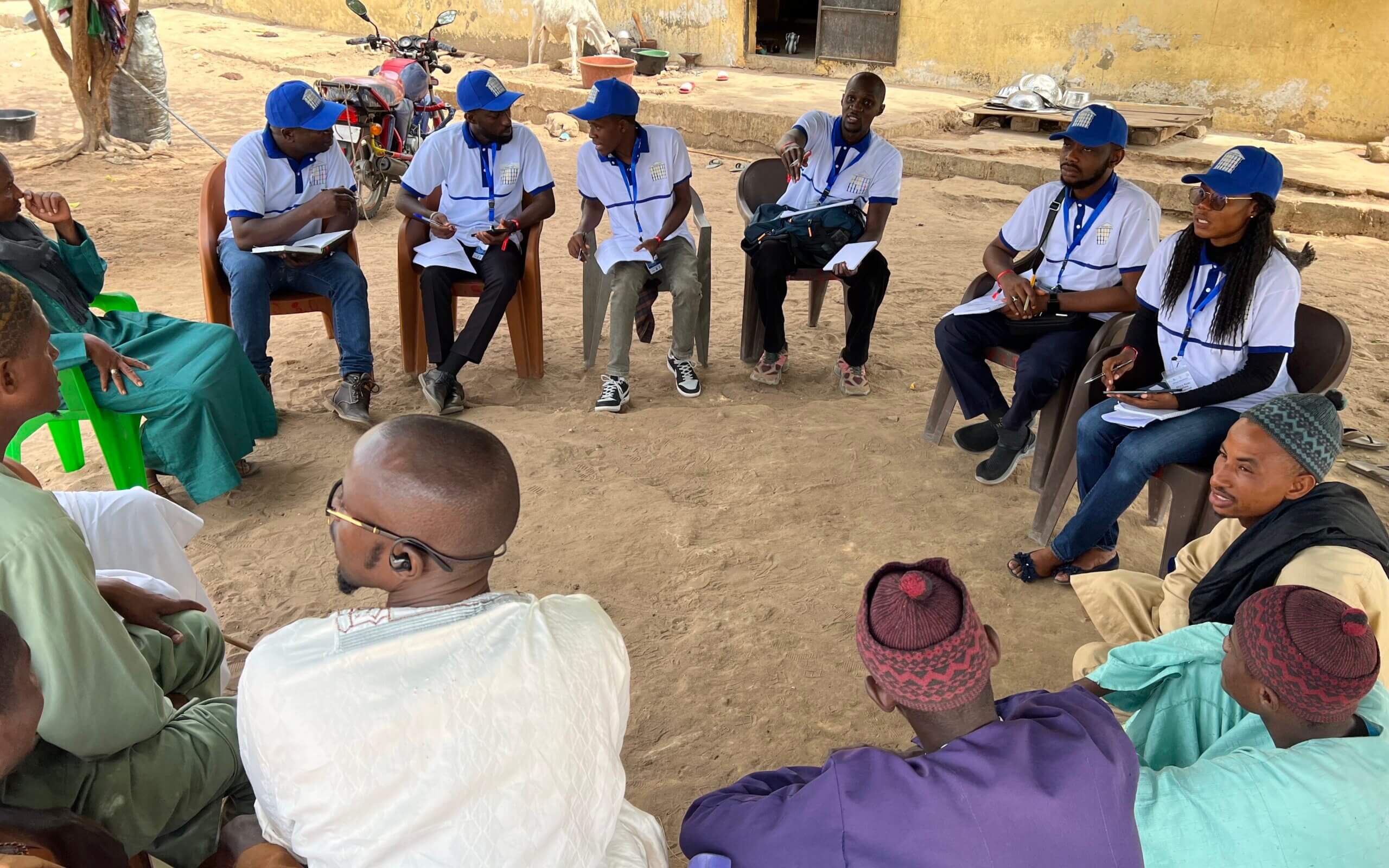
A highlight of the capacity-strengthening activities conducted during the 2026 annual meeting was the site visit. Divided into three groups, the Afrique One fellows visited Senegal’s One Health Platform the rural community of Sinthiou Mbadane (near Mbour) and lastly, the technical services at the district office in Mbour. This activity aimed at analyzing the structure, operational dynamics, and decision-making processes of Senegal’s One Health governance mechanism at national, district, and community levels.
Management Board Meeting
Following the summer school, the management board meeting began on May 9 and concluded on May 13, 2026. It featured presentations of research conducted by fellows within its three Thematic Training Programs (TTPs): Emerging and Endemic Zoonoses (EEZ), Non-communicable Diseases (NCDs), Neglected-Tropical Diseases (NTDs); as well as two Transversal Packages (TPs): Collective Action and Behavioral Change (CABEC), and Data Science, Statistics, and Modeling (DSSM).
The scientific outcomes presented highlighted several major advances, including the role of hypertension as a marker of epidemiological transition among people living with HIV, the use of blockchain technology in the fight against rabies in Côte d’Ivoire and Mali, and the analysis of risks associated with avian influenza in West Africa.
Present at the opening ceremony was the Director General of the CSRS, Prof. Inza Koné, who delivered a speech in which he congratulated Afrique One for strengthening African individual and institutional capacities in One Health since 2009 and announced, on Senegalese soil, the festivities marking the 75th anniversary of the CSRS.
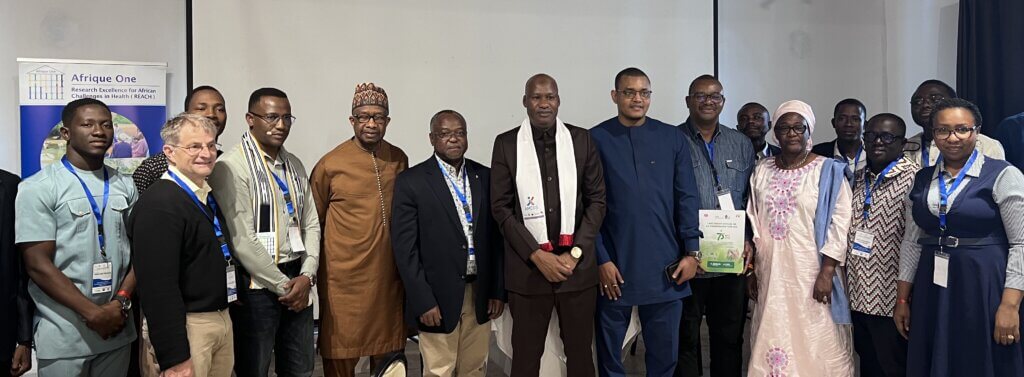
The official opening of the Management Board Meeting was honored by the presence of Senegal’s Minister of Health, Dr. Ibrahima Sy. He emphasized the importance of an integrated approach to the prevention and management of epidemics. Referring to the Rift Valley fever epidemic that occurred in Senegal in 2025, he stated that : “Veterinarians, environmentalists, public health officials, and community workers collaborated to address the outbreaks. It was through this coordinated effort that we were able to bring the epidemic under control.”
The Senegalese Minister of Health expressed his satisfaction with the consortium his hope for closer collaboration between his department and Afrique One to promote evidence-based decision-making.
For his part, Professor Bassirou Bonfoh, Director of Afrique One, explained why Senegal was chosen to host the 2026 annual meeting :
“At the international conference on Lassa fever in Côte d’Ivoire in 2025, we met with the Senegalese Minister of Health. Knowing our expertise in the One Health approach, he asked us to come and observe how the Senegalese platform operates and to offer guidance. We then decided to turn this mission into a learning opportunity for our 60 plus researchers and to expose them to governance issues.”
Fellows distinguished for their scientific contributions
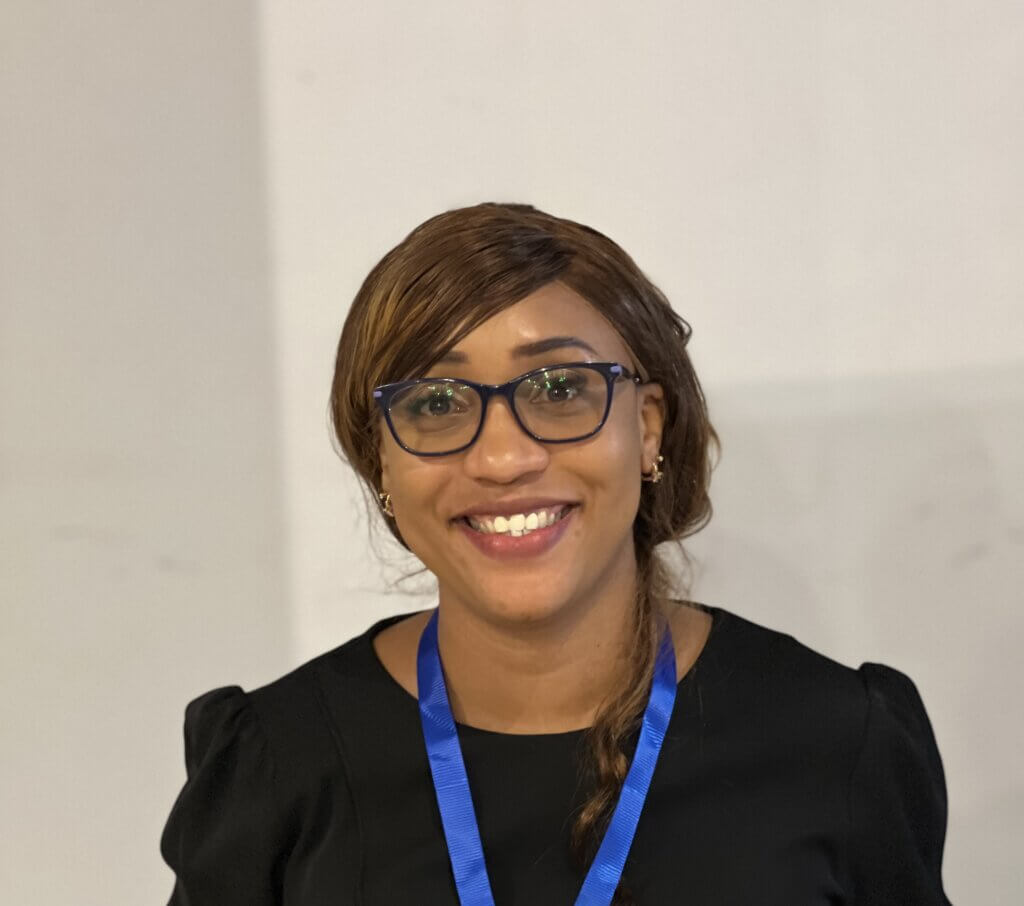
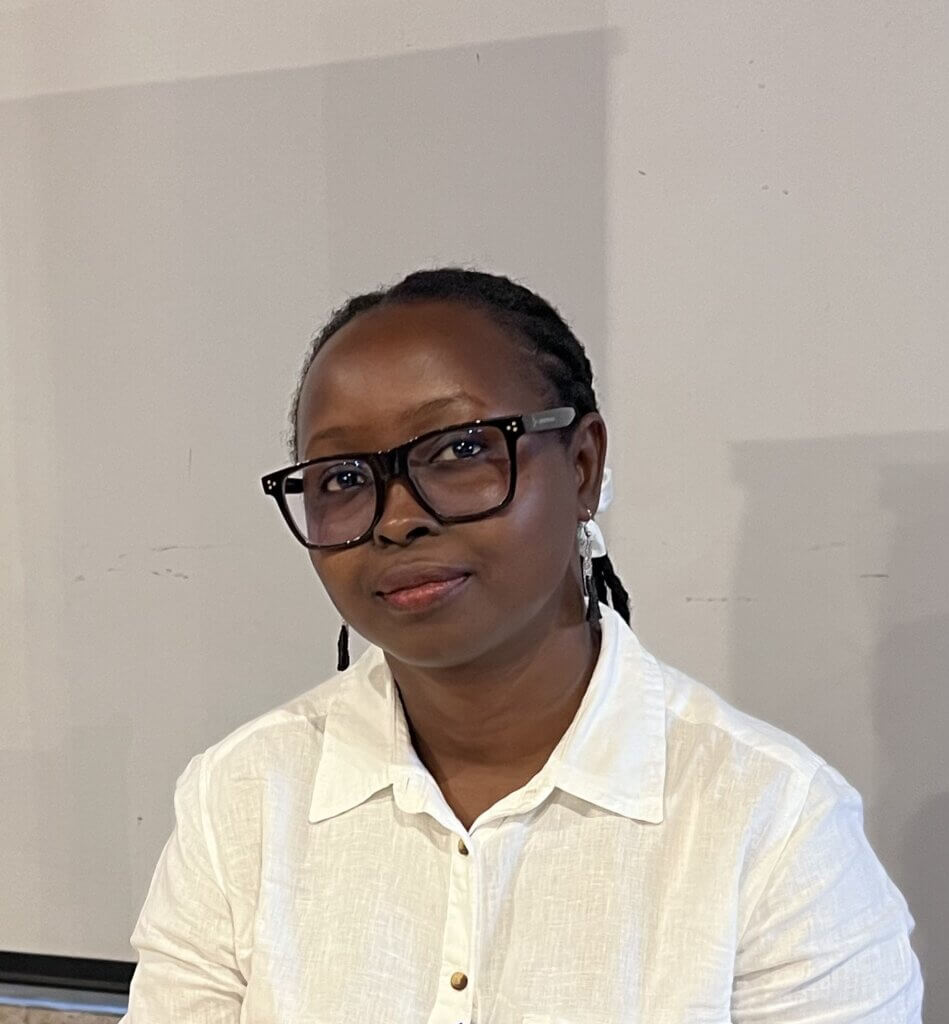
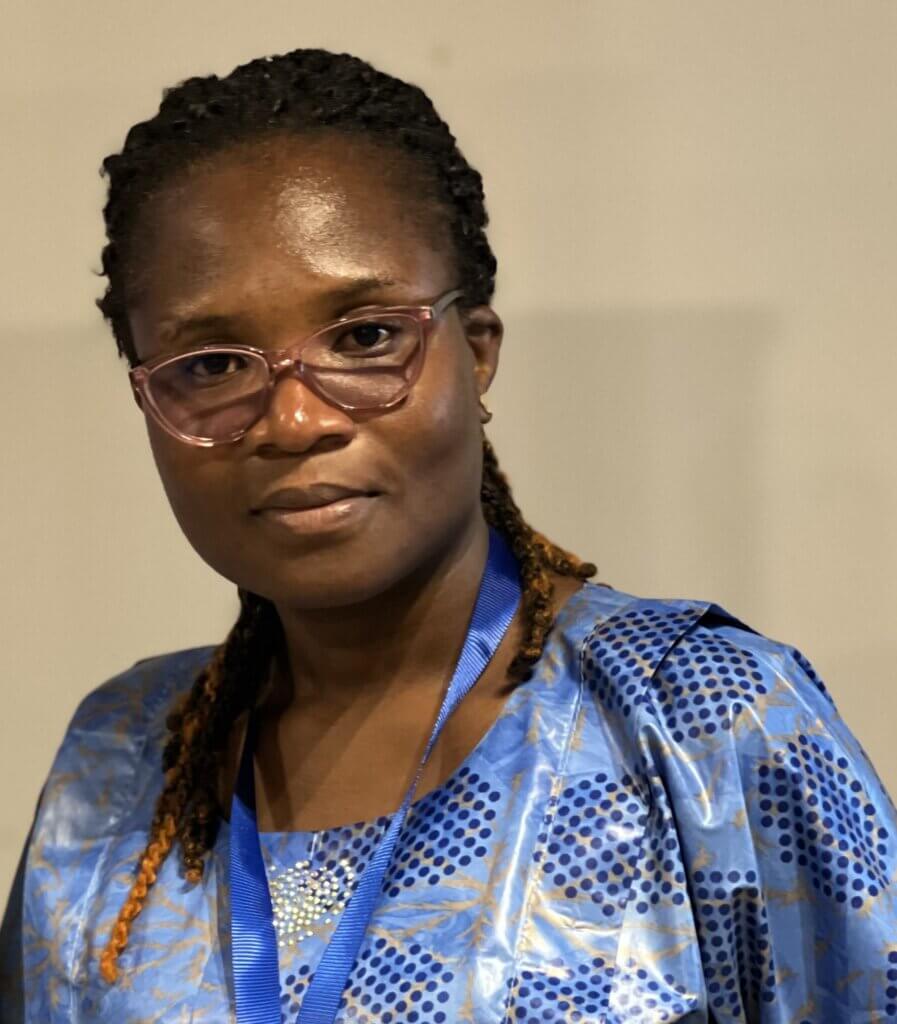
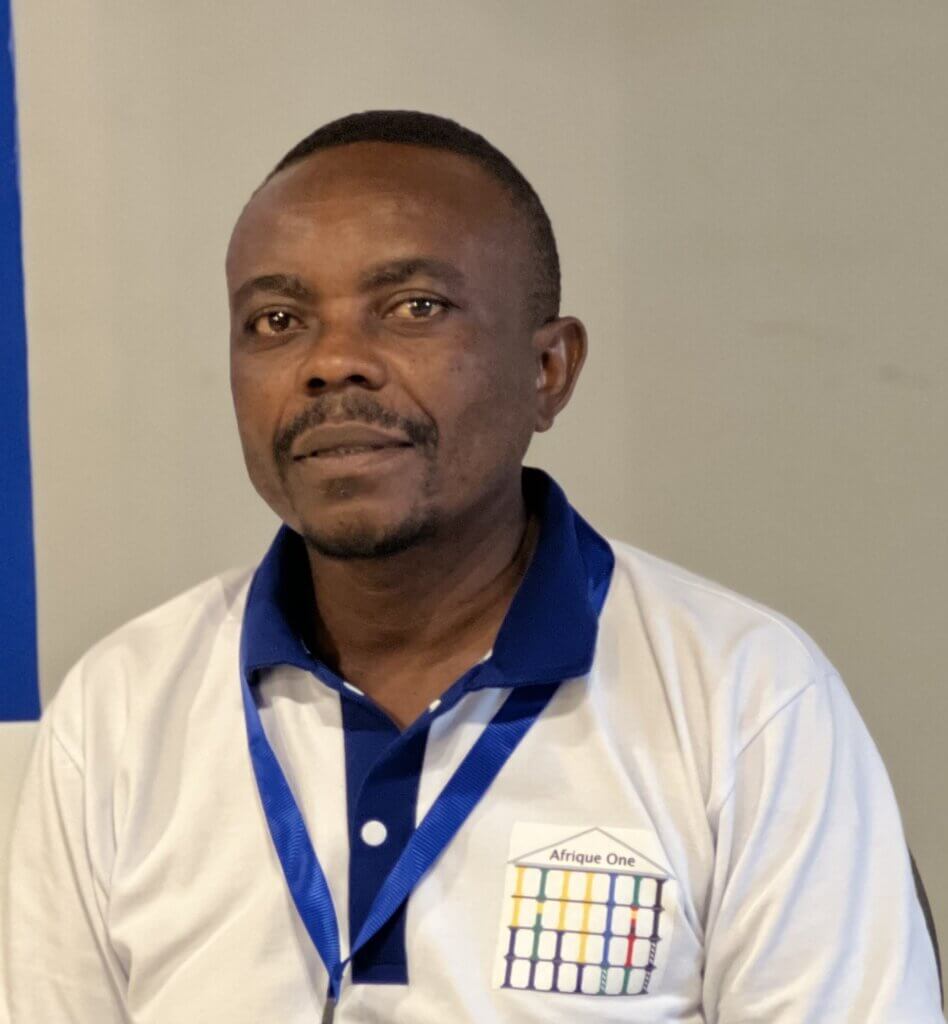
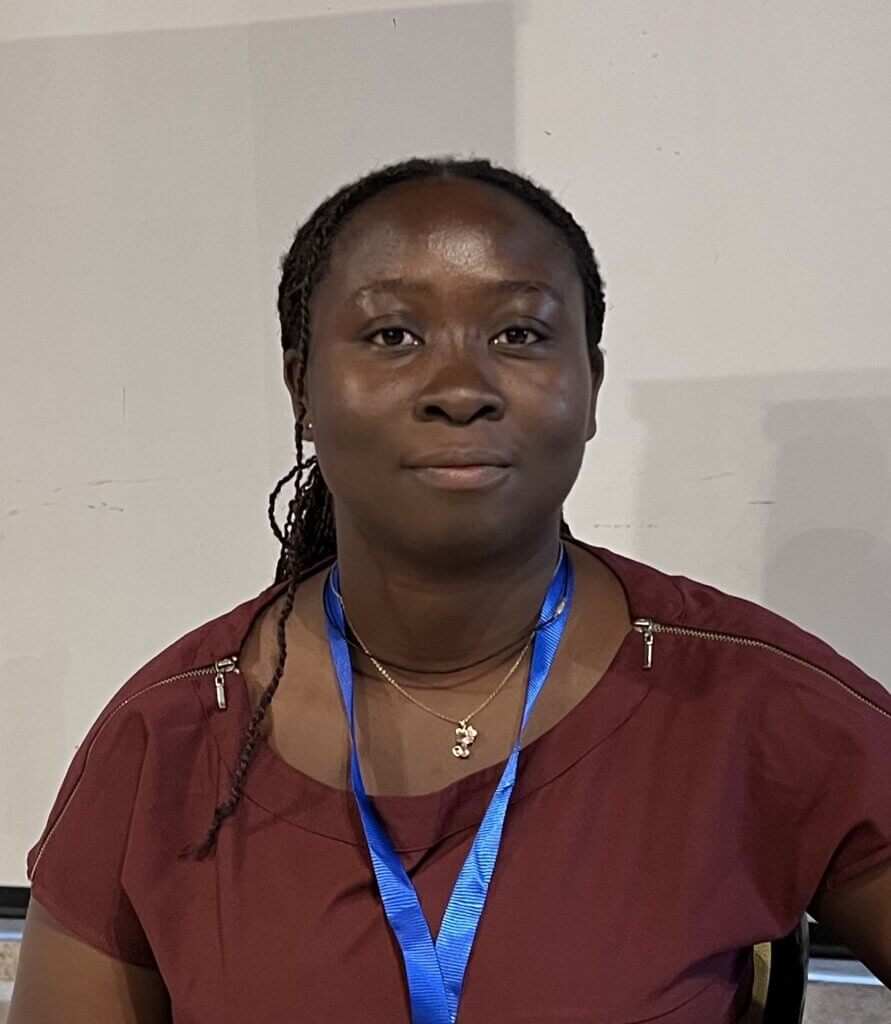
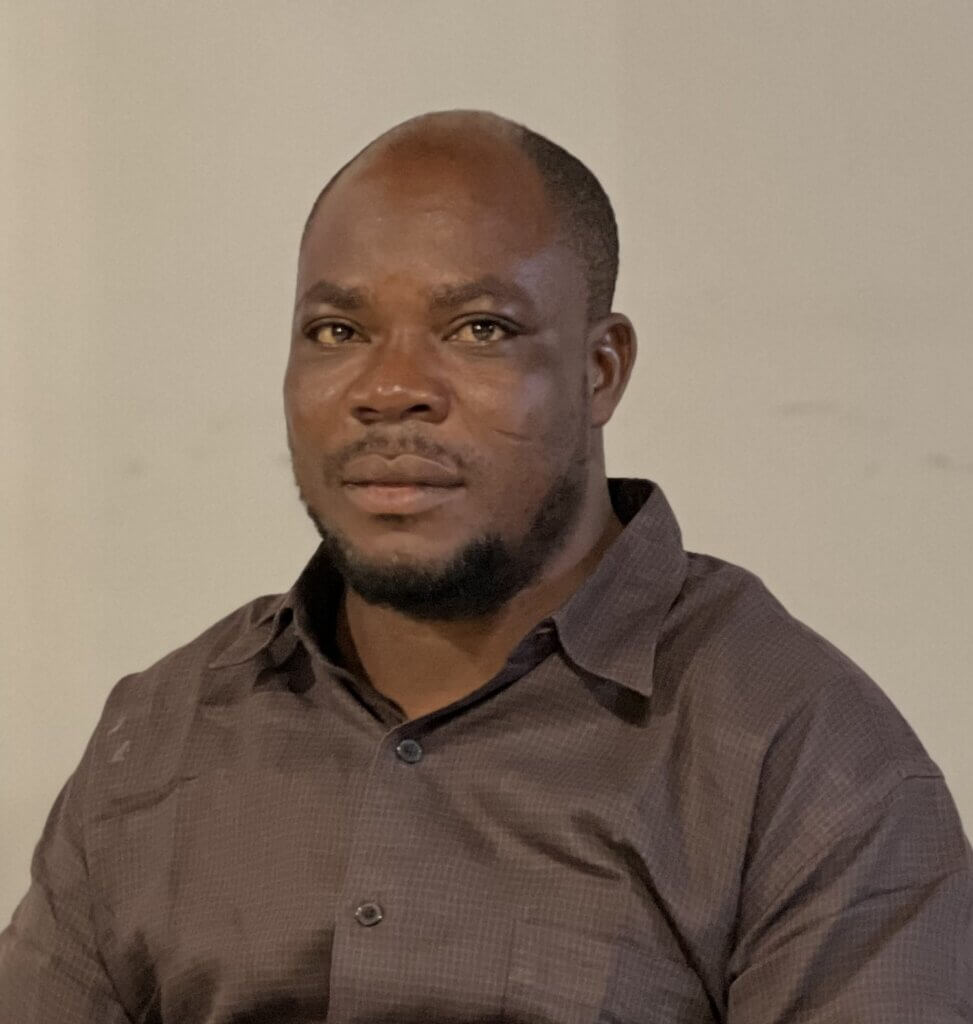
At the closing ceremony, six fellows were awarded a prize for their dedication and scientific contributions.
- Postdoc Fellow: Dr. Caroline Mangare
- Master Fellows: Josephine Nyarko and Isaac Apeligbe Adabre
- PhD Fellows: Sanni Yaurai Justine, Martha Oshosen Mwanga and Jean Jacques Banze Kumwimba — PhD Fellow.
Through this annual meeting, Afrique One-REACH reaffirmed its commitment to training and supporting the next generation of African researchers equipping them with the capacities of developing innovative and sustainable solutions for the continent’s challenges in health.